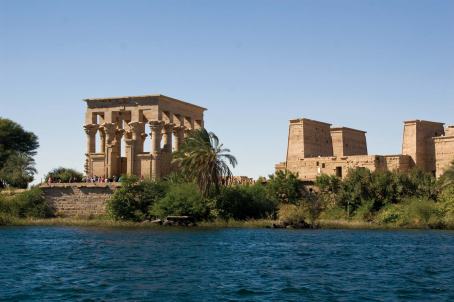
It is such a long time since our unforgettable Nile River journey and the world has changed irrevocably since those carefree days. Our friends and family all over the world are living through tough times of isolation and fear for themselves and their family and friends, neighbours and complete strangers. I have felt a bit frozen since I came home to Venus Bay but I am ready at last to revisit the Pharoahs and share with you the second part of our adventures in modern and Ancient Egypt.

What a wonderful time we had in Egypt. We have never been on a better holiday. We were super impressed by how well organized our Discover Egypt tour was, from the rep who met us at Cairo and escorted us to our hotel, to the guides and drivers we met along the way. We had a private tour in Cairo which we booked ourselves. While it was fine, in hindsight we should have gone with the Discover Egypt group tour as we would have got to know our fun fellow travellers sooner. Our accommodation was in an excellent location in Cairo and our room on MS Tulip were very comfortable with a large opening window and the top deck was ideal to relax and take in the journey. The members of Team Ramses, the crew of the MS Tulip and all the Discover Egypt team made our stay unforgettable. Thank you and we hope to see you someday when we can travel again.
Day 1: The MS Tulip
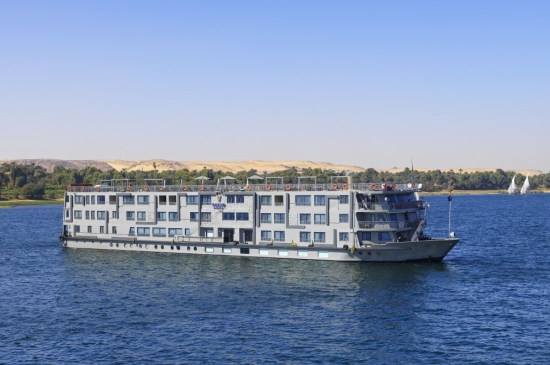
Our itinerary took us from Luxor to Aswan and back visiting the major archaeological sites along the way. On arrival in Luxor we transferred to the MS Tulip, our home for the next 7 days. After a delicious dinner we were entertained by the worst belly dancer ever and a Whirling Dervish. This did not bode well for our evenings on board but we did enjoy getting to know the other members of our group and our guide for the week, Mustafa. Early to bed though as breakfast was at 7 for an 8 am departure.


Most days we left the ship early to reach our destination before the tour buses arrived and we were overrun. This generally worked well and we would be back on the Tulip for lunch and to spend the afternoon enjoying the scenery on the busy river and along its banks. Days were mild in the morning but warming up by afternoon so the early starts made sight seeing comfortable.
Day 2: Valley of the Kings
We began our adventures at this most iconic of Egyptian historic sites. This vast treasure trove of archaeological wonders contains dozens of tombs filled with art and hieroglyphics. Mustafa told us that an estimated 70% of Egypt’s antiquities are still buried in the sand and we observed digs going on everywhere. This necropolis or cemetery for Ancient Egyptian royalty and nobles was used for 500 year around 4000 years ago. Many of the tombs are extensive and richly decorated such as the tunnels and chambers of the tombs of rulers such as Ramses III, Ramses XI and Merenptah and the most famous of all – King Tutankhamen’s burial chamber. Unfortunately, King Tut’s tomb wasn’t open when we were there. We had viewed the magnificent treasures in Cairo and were disappointed not to be able to enter the tomb Howard Carter excavated in 1922. Entry to the Valley of the Kings includes three tombs of your choice depending on which are open to the public on the day. Not to worry though as we were totally awed by what we did see.


Ramses IV
The first tomb we entered was that of Ramses IV. It was extremely crowded even at this early hour and quite frightening as people pushed and shoved their way to the front totally disregarding the directions given.
Ramses IV took over the throne when his father Ramses III was murdered. His tomb is richly decorated with illustrations of the King’s coronation and pictures of Isis and Nephyths venerating the sun disk. The ceilings have pictures of vultures, falcons and winged scarabs with spread wings and the walls show later Coptic and Greek graffiti.


As well as two more tombs of the Kings we also visited The Valley of the Queens, the Temple of Hatshepsut and the Colossi of Memnon. While Mustafa moved us along at a fair pace it didn’t really feel too rushed although later I realised that I couldn’t remember who the second and third tombs belonged to!
The Mortuary Temple of Hatshepsut and the Valley of the Queens


Hatshepsut
Follow the link if you would like to know more about Queen Hapshepsut, the first female Pharaoh to rule Egypt .
The Colossi of Memnon.
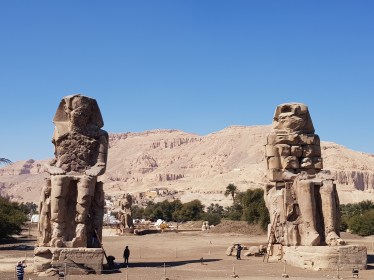
Returning to Luxor we stopped briefly to view the Colossi of Memnon, a pair of giant stone statues built during the reign of Amenhotep 111. A Pharaoh of the 18th Dynasty, he ruled Egypt during the 14th century BC. Each statue, made of quartzite sandstone is about 20 metres high. The statues were originally intended to stand guard at the entrance to Amenhotep’s memorial temple.
Tired but happy after our busy morning we returned to the Tulip for a generous and delicious lunch before spending the afternoon relaxing as we sailed to Esna.
In the course of the next few days we were lucky enough to visit many of the most famous of Egypt’s iconic ancient sites.
Day 3: The Temple of Horus at Edfu
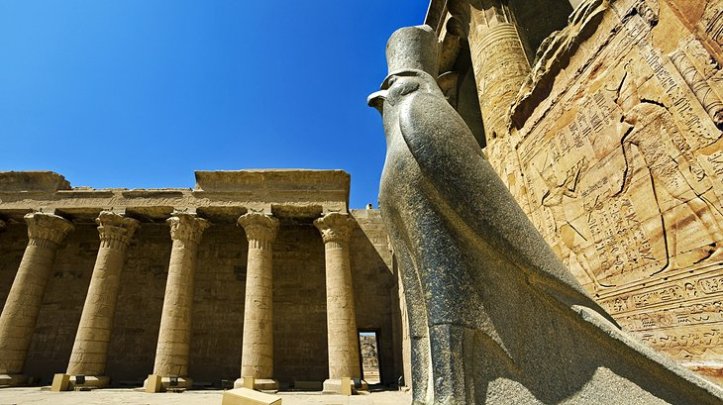
One of the most beautiful and best preserved Temples in Egypt, the towering facade or outer wall is massive. We looked like ants beside it. There are a huge number of rooms and staircases covered in carvings. Some of the original paint is still intact and surprisingly vivid. The temple, including its additions, inscriptions, and reliefs took about 180 years to construct.
Mustafa showed us a pillar used to indicate the height of the Nile River called a Nilometer. It was great to have such a knowledgeable guide to point out things we might overlook. A nilometer was a structure for measuring the Nile River’s clarity and water level during the flood season. If the water level was low, there would be less food. If it was too high, it would be destructive. There was a specific mark that indicated how high the flood should be if the fields were to get good soil.


Kom Ombo
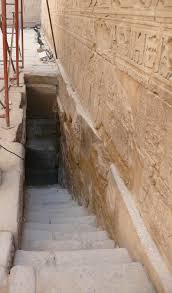
In the afternoon we sailed to Kom Ombo where we visited the Ptolemic Temple of Kom Ombo. The temple was situated on the river bank near where we tied up so a gentle stroll and we were able to explore in the quiet late afternoon. There are two temples, one dedicated to the Egyptian falcon headed god Horus, and the other to the crocodile god Sobek, who controlled the waters. Not much of the temple is left nowadays, due first to the changing Nile, then the Copts who once used it as a church, and finally by builders who used the stones for new buildings.


Day 4: Aswan
An early morning sailing took us to Aswan where we visited:
The High Dam


The Old Granite Quarries including the Unfinished Obelisk


3,500-Year-Old Unfinished Obelisk Reveals Incredible Engineering of Ancient Egypt
This is an excellent explanation of the Unfinished Obelisk with wonderful photos both historic and modern.
The Philae Temple Complex
The highlight today was a visit by boat to the Philae Temple complex on Agilkia Island near Aswan. If Philae Temple, dating to the 4th century B.C., had been left where it was built it would be now under the waters of the Aswan Dam. 50 years ago Egypt asked for help to save the temple complex from inundation and UNESCO came to the rescue. Experts and workers from around the world painstakingly dismantled every stone and rebuilt the Temple Complex on Agilkia Island, in the reservoir of the Old Aswan Dam.


Exploring the Philae Temple Complex: A Visitor’s Guide
I wish I had read this fantastic guide to Philae before we visited. Photos are amazing too.
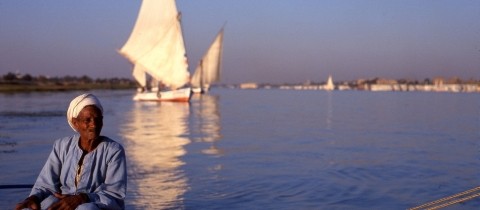
Feluccas are traditional Egyptian wooden boats with a canvas sail. After a very busy morning it was great to relax sailing around Kitchener Island by felucca. I don’t know how we packed so much into a day.


Day 5: Abu Simbel Temple
The next day there was an optional excursion to famed Abu Simbel. Jim braved the 4 am start and 8 hours round trip on a coach. For me it was a sleep in, leisurely breakfast and a walk around the nearby shops.


By Jim:
Our happy band of travelers left the Tulip at 4.30 am for the three hour journey to Abu Simbel. We were provided with a tasty ‘breakfast in a bag”. It was dark when we set out so some of us managed a little more sleep. When the sun came up we were travelling through what seemed like endless sand with the occasional burnt out bus or car on the side of the road.
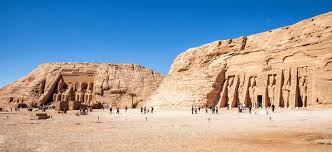
Arriving at the site we saw how enormous the temple complex is. It is stunning as you approach the two temples situated overlooking Lake Nasser. The largest is devoted to Ramses 2 and the other nearby to his wife Nefatari. The external carvings of Ramses 2 are impressive as you approach then when you enter there are rows of large columns and statues of Ramses and various gods. The walls are covered with inscriptions showing the life of people as well as depictions of battles.
In the 1960s UNESCO took the lead in moving the temples to their present location due to the construction of a new high dam in Aswan. Each temple was carefully dismantled, moved and reconstructed 200 metres away and 60 metres higher than the original site. As well as being an ancient marvel, Abu Simbel is a marvel of modern engineering.
The highlight of the long return journey was seeing mirages shimmering on the road ahead of us and disappearing as we approached.
Abu Simbel: The Temples That Moved
Philae Temple Sound and Light Show
We had decided by then that I would return to Australia directly from Egypt, leaving early in the afternoon of our final day. Our schedule included an excursion to the Sound and Light Show at Karnak which I would miss. Our wonderful guide Mustafa kindly arranged for Jim and I to attend the Sound and Light Show at the Temple of Philae instead. It was a wonderful night highlighted by a comet shooting across the sky soon after the lights went out.


Day 6
A welcome relaxed day sailing downstream to Edfu and on to Luxor via the Esna Lock, arriving in Luxor in the evening. Life on the Nile and along the river banks is ever-changing and fascinating.


Esna Lock
Day 7: Karnak and Luxor Temples
Visitors approach the Karnak Temple complex through a grand processional way called the Avenue of Sphinxes. The avenue is lined on both sides by human and ram-headed sphinxes. These once ran 3 kilometres between Karnak and Luxor Temple in the heart of present day Luxor. Over time the city overwhelmed much of the avenue but it has recently been restored so that visitors can again follow the processional way.
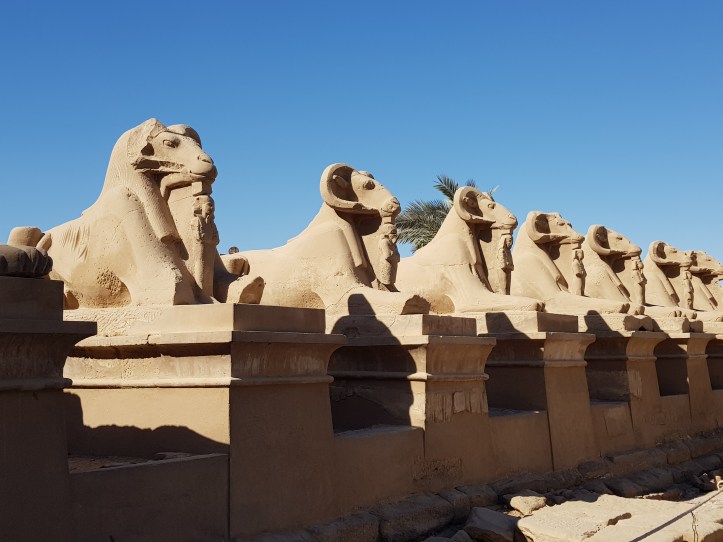
Karnak is a vast area covered by ruins that are actively being excavated. It is interesting to see the process used to conserve the stones as they are uncovered. There were piles of numbered sections awaiting future reconstruction.
I borrowed this description and some photos of how the rebuilding is done from the linked website .
The Karnak Open Air Museum by Jane Akshar
“At the back there is a big reconstruction, which is ongoing, of Tuthmosis IV temple front. I have been there watching the team at work. Firstly they have made a concrete version of the columns, porticos and lintels. Then they start looking for the original stones. There is a marvelous old man, an Egyptian, who seems to have mystical powers matching the stones together. He showed me the line drawings he had been given, and he goes around looking for a matching piece. Then the skeleton of concrete is attacked with a power drill and hammer and chisel then the original piece put back in place. In other parts of the museum you can see several blocks being pieced together or conservation being done on one particular piece.”


The Great Temple of Amun is Karnak’s main temple building. Built as a house of the Gods it is one of Ancient Egypt’s most amazing examples of engineering and architecture. There are gigantic columns and huge statues all around, while the stonework is covered in intricate carvings. Over the centuries a succession of Pharoahs added to the temple to leave their mark for antiquity.


It is impossible to convey the beauty and magnificence of Karnak Temple here. For those of you who would like to know more I have attached a link to an informative website.
Exploring The Temples of Karnak: A Visitor’s Guide
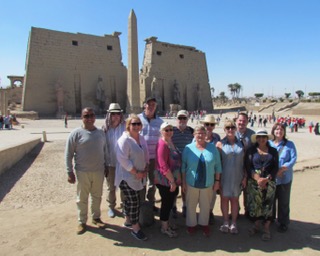
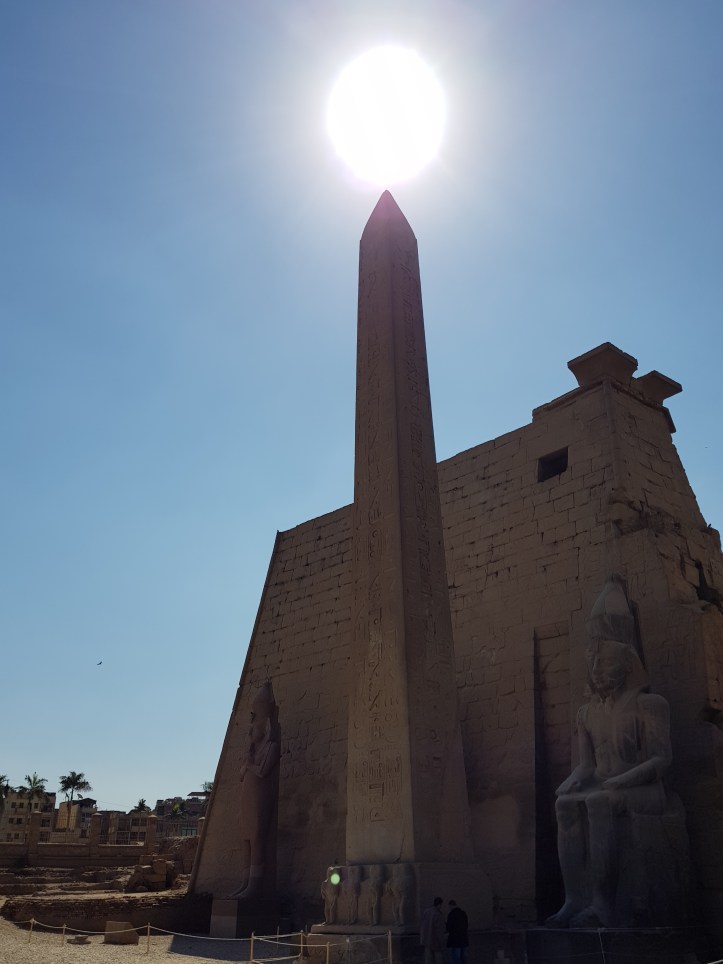
Luxor Temple is famed for the massive obelisks erected on the site. They are made of stone carved in one piece out of the quarries we previously visited in Aswan. (See Day 4). They were then moved down the Nile by barge. Built by Rameses these 25 metre pink stone obelisks once stood guard at the gateway but today only one remains. The other we saw standing in the Place De La Concorde in Paris.
Again, it is impossible to convey a sense of the archaeological significance or the beauty of the site so enjoy the photos and read the attached website for more.


Luxor Temple Obelisks
Later that day I flew from Luxor to Melbourne. Jim enjoyed dinner and a final night on the Tulip then flew to London the next morning. He farewelled the group at Heathrow before catching a flight to Australia. We attended our daughter’s swearing in as a Magistrate at the Supreme Court of Victoria and visited my Mum before flying back to Dorset to pack and enjoy a round of goodbyes in preparation for our return home.
More than two months have passed since then and we are back home but I can’t say back to normal life – anything but. Jim is back at work and I have been staying at home pretty much. No complaints though as we feel very lucky to be here. I have been slowly getting our home back in order after it was rented while we were away. Jim has done an amazing job of sorting the garden out and has planted out our winter vegies. We have also added 4 egg-producing machines to our garden.


Jim and Frankie’s Amazing Gap Year has come to an end much too soon but we won’t be signing off just yet. I have plans for some special posts in the near future. We are also happy to answer any questions about our trip or the logistics involved in organising your own Amazing Gap Year.
Our love and best wishes to all our friends and family here and overseas. Our thoughts are with you wherever you are. Keep safe and let’s hope we can look forward to safe travels soon.
Love Frankie and Jim
Discovering Ancient Egypt
(This is one of my favourite Egypt websites. It has beautiful illustrations and a nifty hieroglyphics typewriter.)
 Jim and Frankie's Amazing Gap Year Adventure
Great pics! xx
On Sat, Apr 25, 2020 at 9:53 AM Jim and Frankie’s Amazing Gap Year Adventure wrote:
> Frankie and Jim Mason posted: ” It is such a long time since our > unforgettable Nile River journey and the world has changed irrevocably > since those carefree days. Our friends and family all over the world are > living through tough times of isolation and fear for themselves and their > fam” >
LikeLiked by 1 person
This is such an interesting post.. What adventures you had in Egypt!
I’m glad you are both staying well. Your chickens look great!
LikeLiked by 1 person