THE MARY ROSE
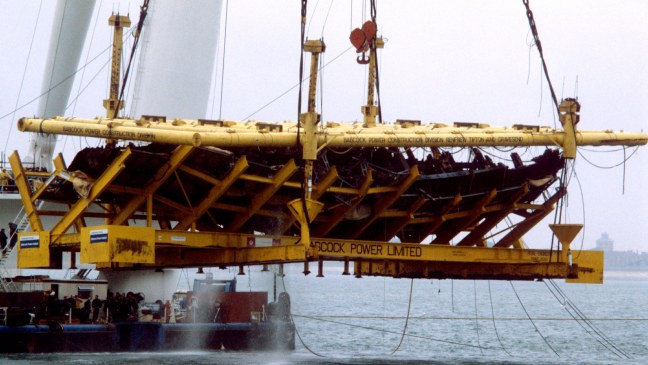
On our way back to West Dorset we stayed a night at Portsmouth and next morning walked down to the Portsmouth Historic Dockyard on a rainy and cool day to see the famous Tudor ship, the Mary Rose. I remember being riveted when the Mary Rose was brought up in 1982 from her resting place on the seabed after more than 400 years. The sight of her being lifted in a giant cradle out of the water has always stayed with me so I was excited to see her at last.
For 34 years the Mary Rose was the flagship of Henry VIII’s navy. She was also said to be Henry’s personal favourite. The Mary Rose sank in sight of land off Portsmouth in July 1545. Although the English Fleet were preparing for a battle with France, experts who have studied the wreck theorize that she did not sink as a direct result of canon fire but because of a maneuver by the captain, where he brought the ship around suddenly, failing to close the gun ports on the starboard side and sinking the ship in a matter of minutes. It is reported that King Henry was watching from the shore as his favourite ship went down with the loss of more than 500 lives. Only about 30 crew survived.

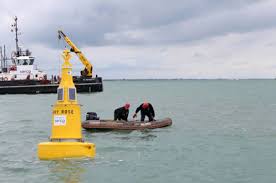
After more than 400 years on the seabed of the Solent, the Mary Rose was discovered in May 1971. After years of meticulous research and planning, Mary Rose was brought to the surface in 1982. Protected by very fine silt, much of the ship and the items on board – including tools, weapons, medicine flasks, and wooden dishes – are very well preserved. Also found were nit combs complete with nits, 655 items of clothing including hats and woolly socks, 500 shoes, games boards and surgical instruments. Approximately 19,000 artifacts have been recovered from the wreck site and many are on display at the Mary Rose Museum.
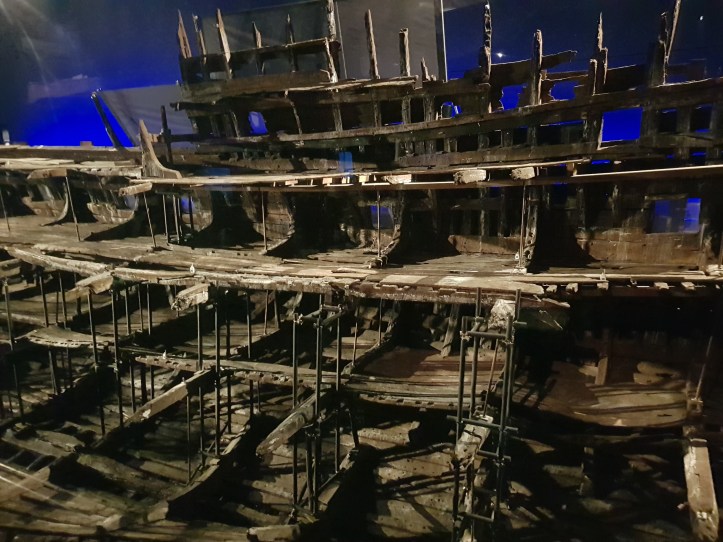
Images of the Mary Rose inside the amazing Mary Rose Museum
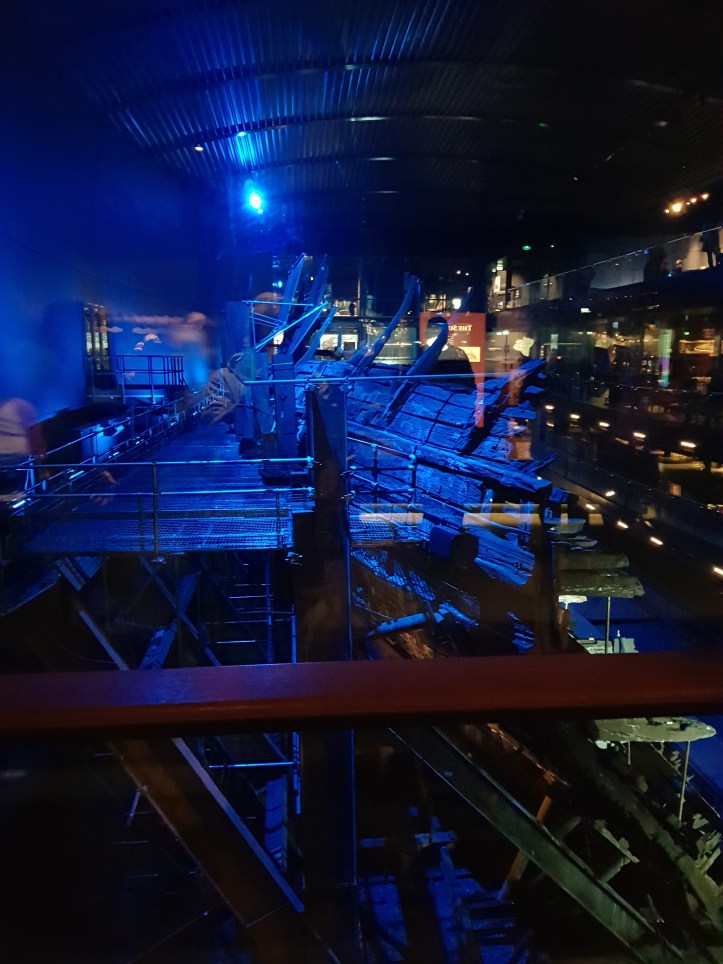


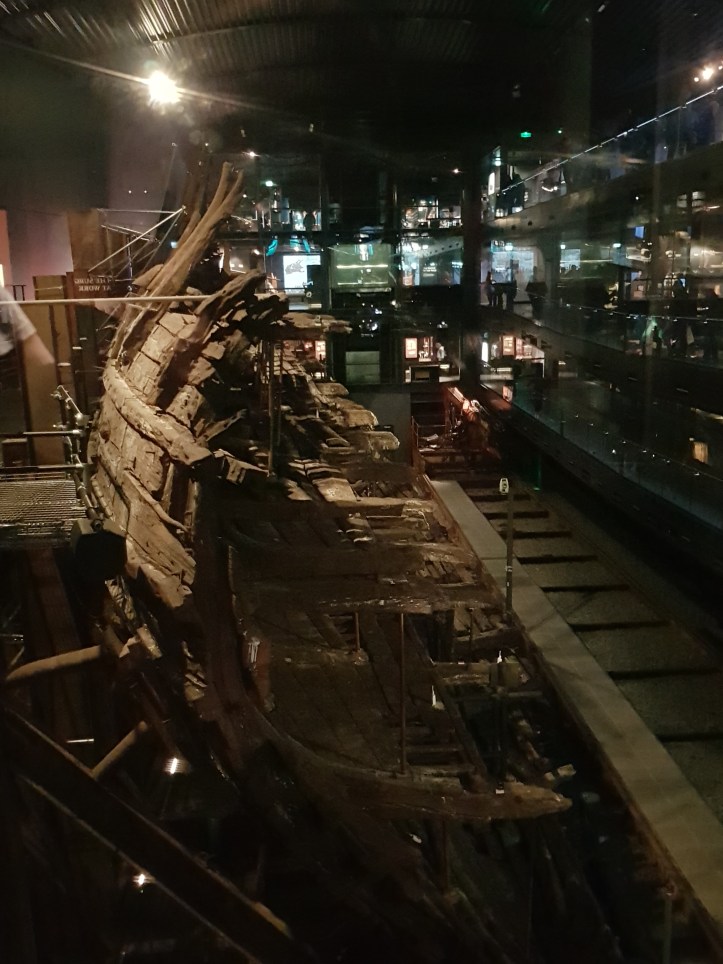
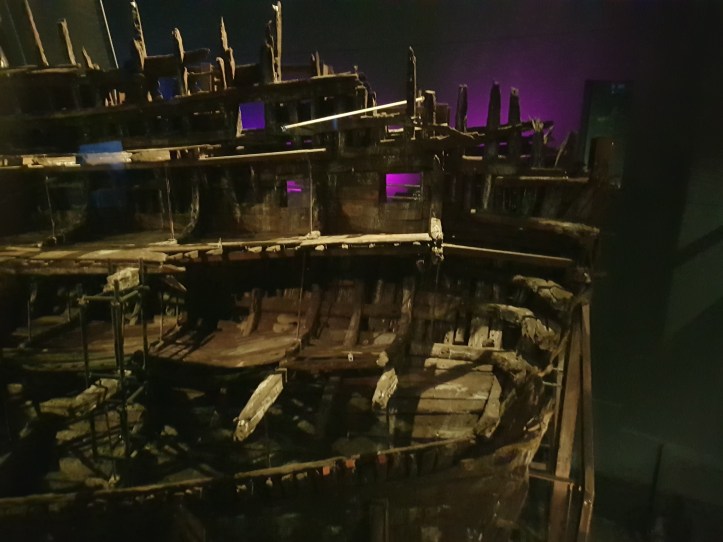
A few of the 19,000 artifacts from the wreck
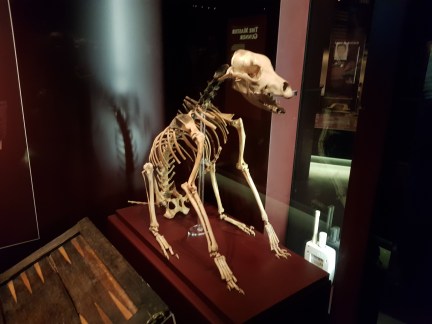
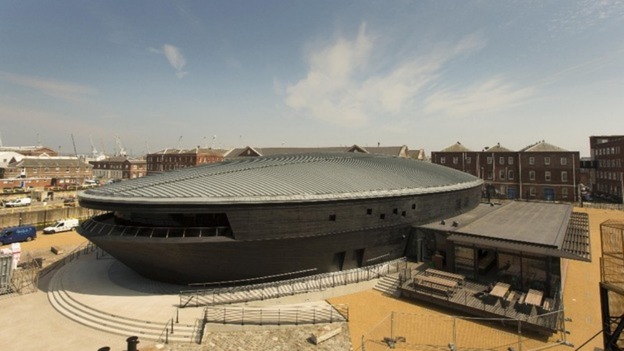
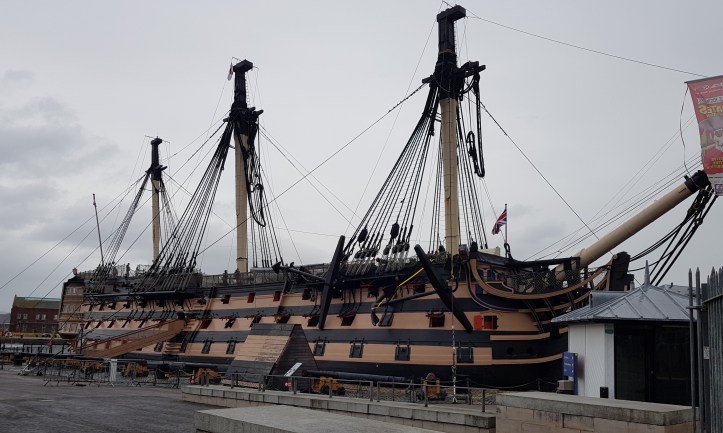
After nearly 40 years of on-going excavation and preservation work the Mary Rose, now in the final stages of conservation, sits proudly in the Mary Rose Museum in Portsmouth. The museum opened in 2013 and reopened in 2016 after a refurbishment that allows visitors to see the ship unobstructed by the previous wall of glass. The Mary Rose has never been moved from where she was located when first lifted from the seabed. The whole museum has been built around her within Portsmouth Historic Dockyard. Don’t expect, though, to see a restoration like Lord Nelson’s ship, the Victory, which is nearby on the dock. The Mary Rose is the remaining wreckage of the ship largely as it was found and is all the better and more fascinating for that.
The Mary Rose herself and the objects discovered on board have made an important contribution to our knowledge and understanding of Tudor life and times. Thousands of school groups visit the Museum and there are some excellent teaching resources on the Museum website.
There are numerous websites and images of the Mary Rose if you would like to find out more about her fascinating history, both past and present.
Websites
Mary Rose was brought to the surface
A few of the 19,000 artifacts from the wreck
The Victory (Lord Nelson’s ship is on display right next to the Mary Rose Museum)
 Jim and Frankie's Amazing Gap Year Adventure